

Recovery gear, rigged like a rescue
Kinetic ropes, soft shackles and recovery kits built to the standard I'd trust with a life on the line.
Why Sandy Cats exists
Built by a rope guy
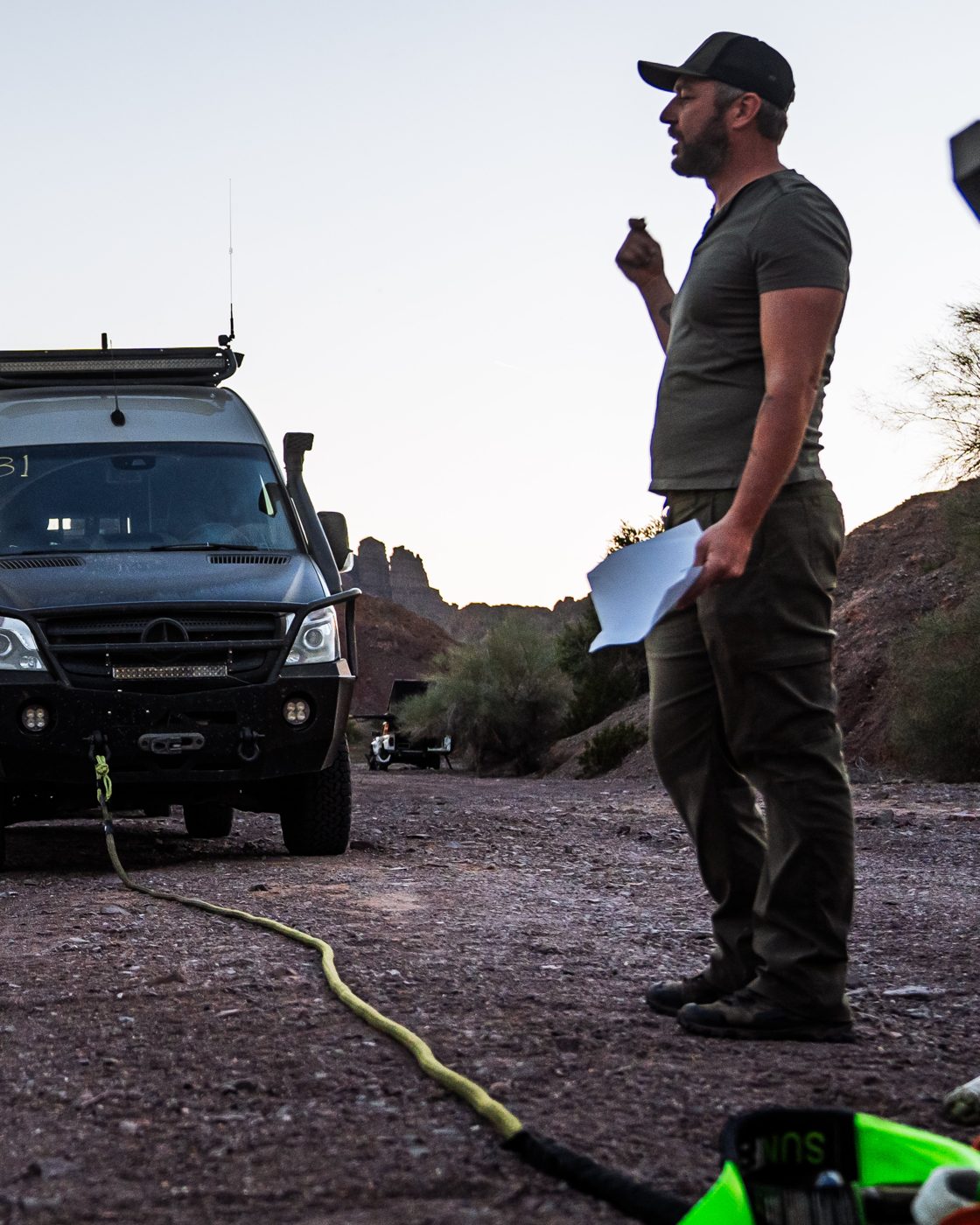
I'm Oleg. I've spent 25 years climbing and working with rope, and about eight of them on LA County Sheriff's Mountain Search and Rescue, where rigging isn't a hobby. It's what holds a litter on a cliff at 2 a.m.
Off-road recovery runs on the same physics: stored energy, a loaded rope, hardware that can fail. But most gear sold for it is built to a price, not a standard.
In 2020 I bought a pile of kinetic ropes and put them through hard pulls for my YouTube channel: the big names, hardware-store ropes and a few from China. I expected the Chinese ones to lose. One of them held up better than almost everything else. I found its one weak spot, worked with the factory to fix it, and when viewers kept asking where to buy it, Sandy Cats was born.
Since then I've designed our own gear: our kinetic rope, the Hitch Hero, the Hero Bridle. The Hitch Hero alone took two years of testing to get right, and I pushed for static bridles when everyone else was using stretchy ones, because the anchor end of a recovery shouldn't stretch. Sandy Cats is the gear I'd trust on a rescue, sized for your rig.
Oleg
Founder, Sandy Cats
How we build it
Two rules for every piece: nothing that can turn into a projectile, and more than one use.
A sheath that stretches with the rope
Most kinetic ropes that stretch far use a loose sheath, which lets grit work into the core and wear it from the inside. Tight sheaths keep the dirt out but can't stretch as far as the core, so they heat up and damage it. We designed a tight sheath that keeps pace with the core, so it keeps grit out without cooking the rope.
Nothing to turn into a projectile
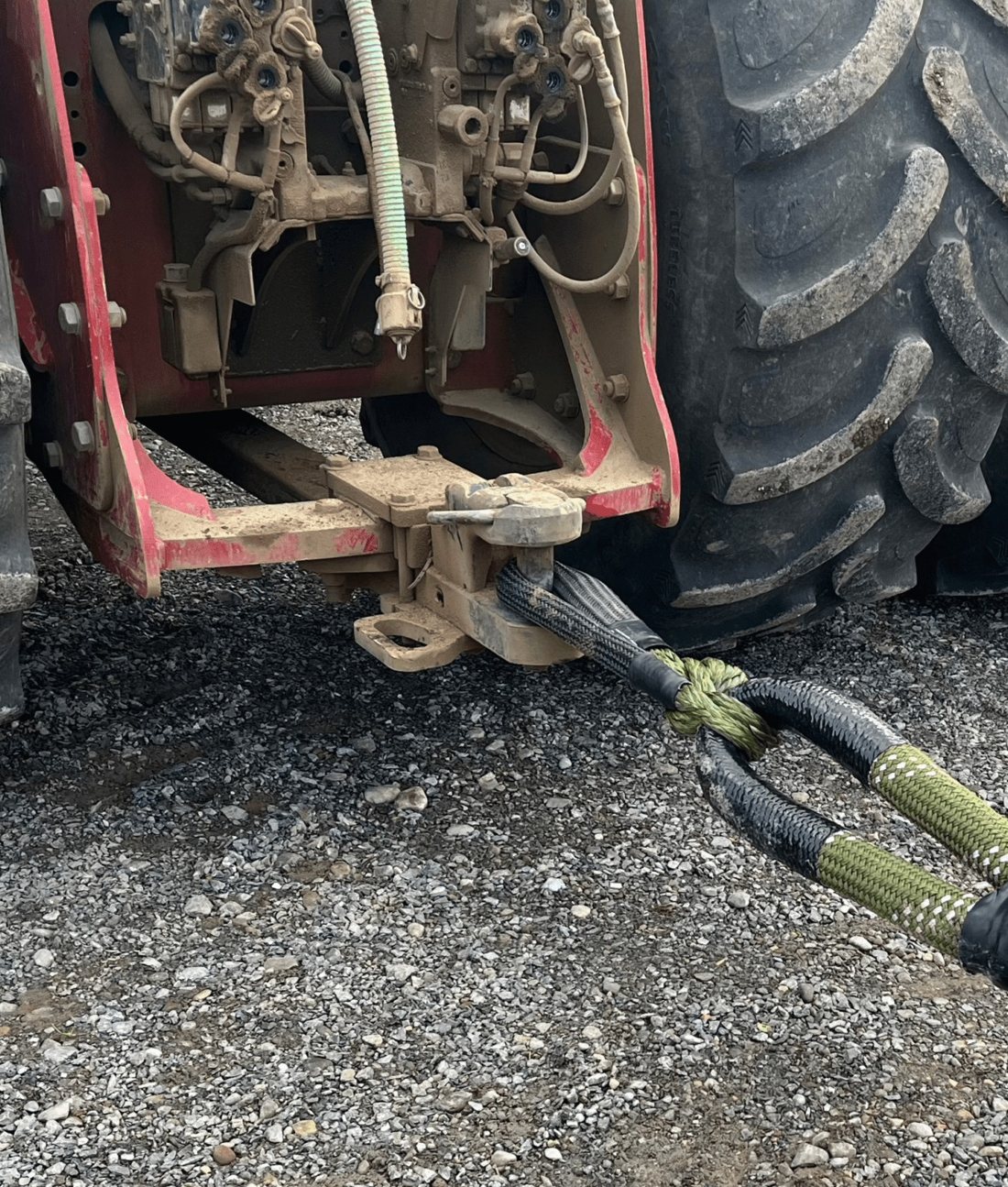
When a soft line breaks, whatever metal sits between two soft pieces flies. So we never put it there, and neither should you: a metal hook or link between a synthetic winch line and a soft shackle adds nothing but a projectile. Metal on metal is fine. D-rings only go where a recovery point is too small for a Hitch Hero, and a pulley hangs from a soft shackle rated stronger than the winch line.
Multi-use by design
The Hitch Hero works in your hitch receiver and around rock rails, frames and A-arms. Its loose sheath catches sharp edges and slides back so you can inspect the shackle after every pull. A Hero Bridle is a bridle, a tree saver or a sling around a frame. Our 10' static bridle is a rock crawler's go-to: a short, heavy-duty line that's right at home on gnarly rocks. Fewer pieces in the bag, more ways to rig.
Tested, and backed for life
Break strength is verified by an independent lab, and everything we sell is backed for the life of the product under proper use. Every tag carries a production date, the way climbing ropes do, so you always know how old your gear is and when it's time to retire it. Off-road gear almost never does. We've never had a true warranty claim, and we've replaced gear that was dragged across a trailer edge or run over on a long tow anyway.
Where it's made
Made in China. It's not that simple.
Our ropes come from the factory behind the rope that won my 2020 test, and we've worked with them ever since. They build climbing and rescue rope for search and rescue teams. I've been there: SAR teams train on site, and school classes come through its earthquake, fire and hurricane simulators to learn how to get out safe.
We build there so real recovery gear is affordable for the mom driving her kids to school in a snowstorm, and the guy heading home from a remote jobsite. We save on production, not on materials: nylon 6.6, dyed all the way through so we can weave in reflective strands you can see at night from half a mile away.
Who it's for
Overlanders and trail rigs
Jeeps, Tacomas, 4Runners, Broncos, full-size overland trucks and the vans that carry the family.
Shop recovery kitsFarm, ranch and work trucks
Ranch trucks, trailers, tractors and equipment. Half our customers use this gear for work, and the Heavy-Duty line covers rigs up to 67,000 lb.
Shop Heavy-DutyWhy "Sandy Cats"?
A thousand feet of sand
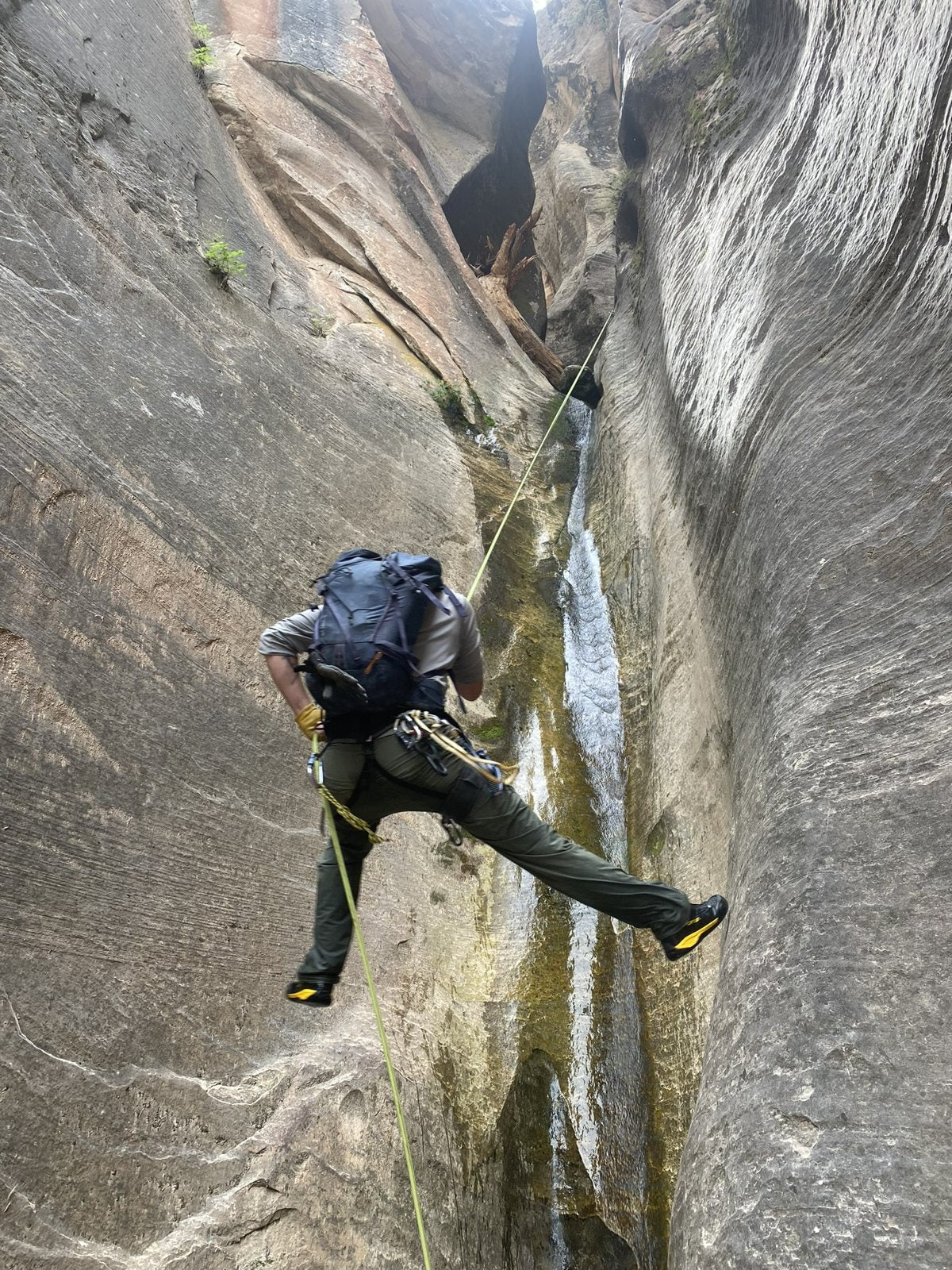
Before Sandy Cats was a company, it was a group of friends who climbed and went canyoneering in Zion. On one trip my wife, Kate, and I drove through the night with the crew to run Boundary, a canyon none of us had done. At 7 a.m. a guide hanging out in the area told us we were crazy: nobody does Boundary, because the exit is brutal.
We went anyway. Fourteen hours, no sleep, no trail. The last stretch was more than a thousand feet of steep sand with no rope to hold, so we dug cat holes for our hands and then stood in them to climb. Somewhere on that slope, the name stuck.
After that first time, we swore we'd never do it again. We did it again the next year. Since then I've taken a few of my SAR teammates, and my oldest daughter, down Boundary to make them official Sandy Cats. My two youngest are next.
Follow along
Most weekends, we're out there
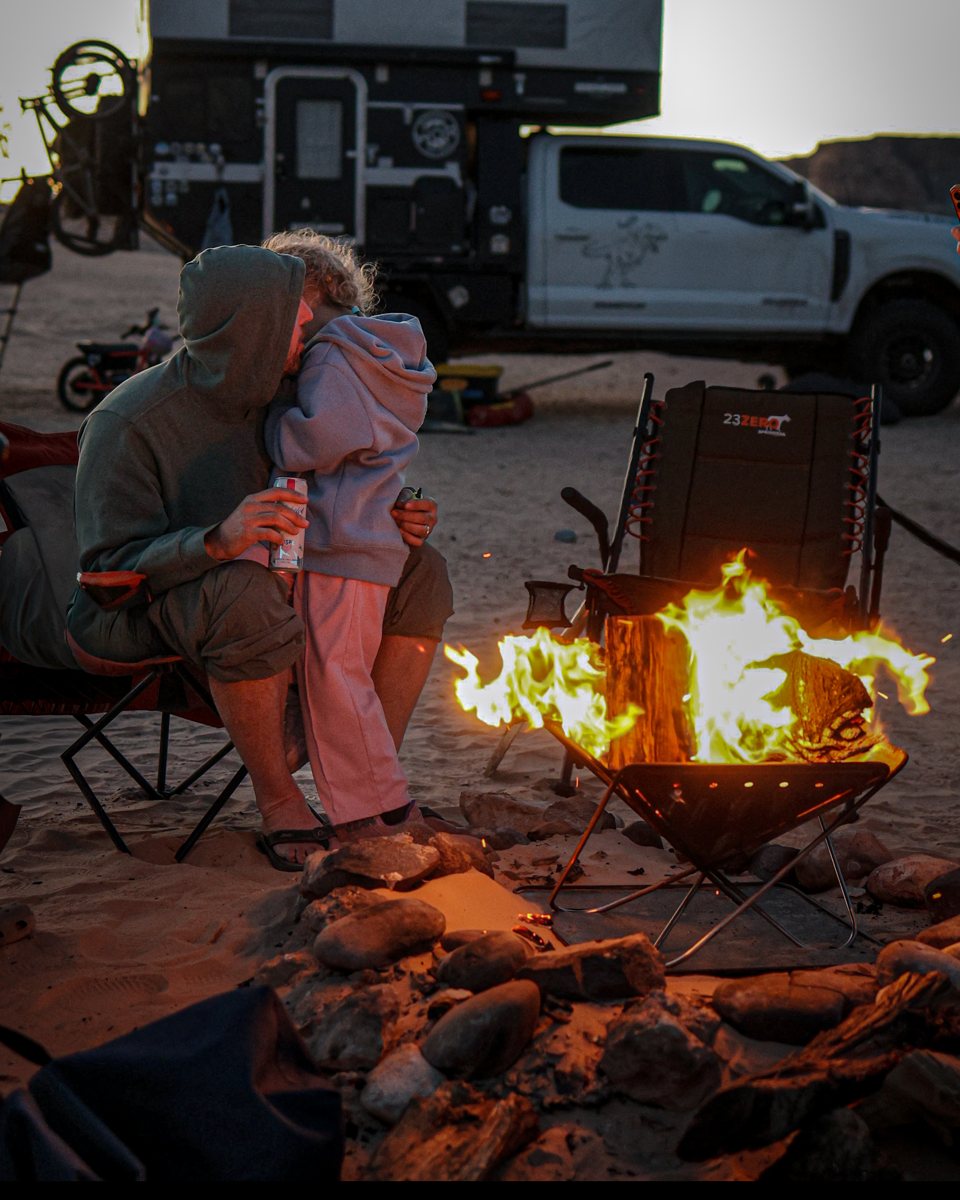
Everything we sell gets used on our own rigs, usually with the kids along for the ride. If you want to see the gear in use, and the trips that come with it, follow along on my personal channels.
Find the right kit for your rig
Tell us what's doing the pulling and we'll point you to the right size.